
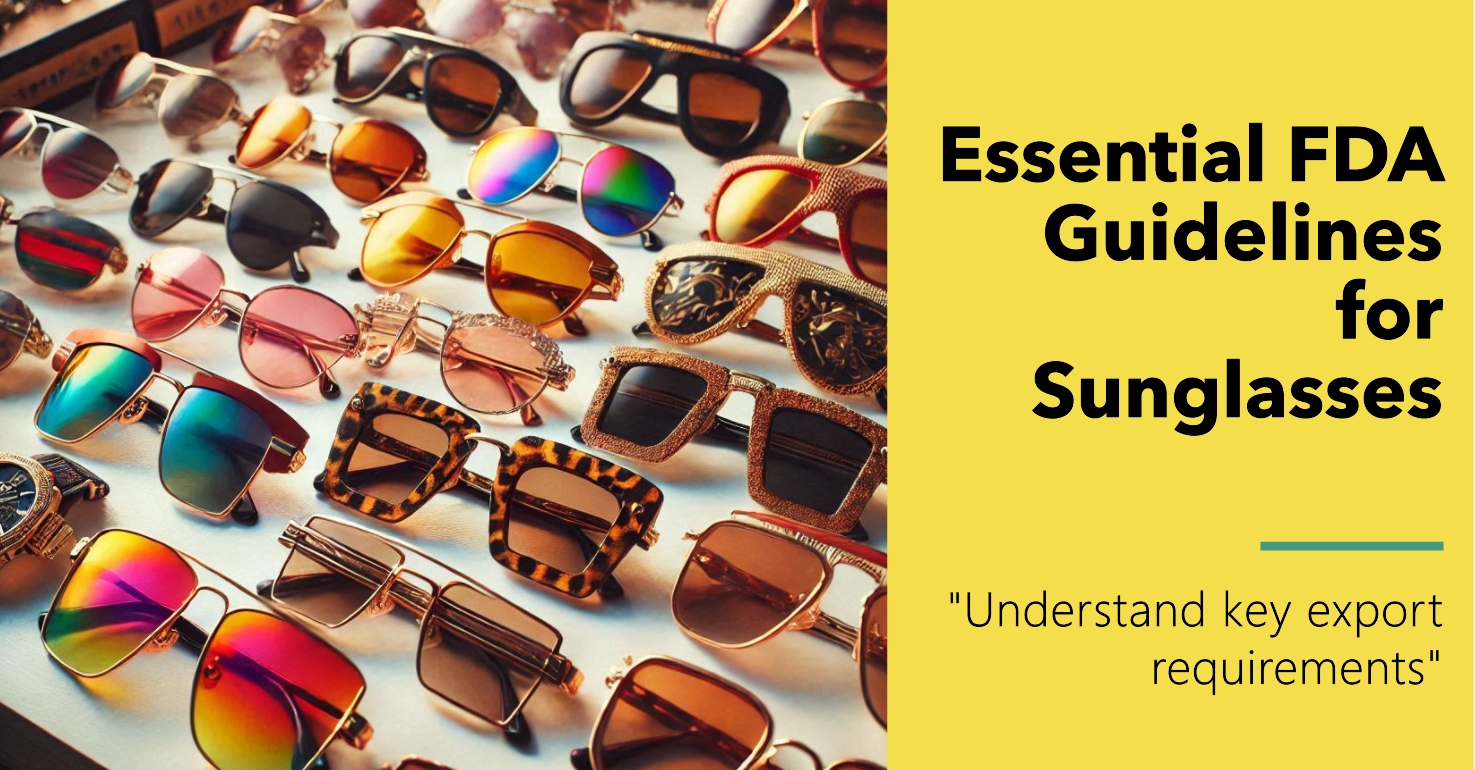
If you’re involved in the production or distribution of sunglasses intended for use in the United States, it is crucial to understand the regulatory landscape set by the FDA. The U.S. Food and Drug Administration (FDA) plays a vital role in ensuring the safety and quality of eyewear, including sunglasses, before they hit the market. In this article, we will discuss the key FDA requirements for sunglasses, including registration, testing standards, labeling, product categorization, and the relevant product codes.
1. FDA Sunglasses Registration Requirements for Businesses
Any business engaged in the production or distribution of FDA sunglasses must register annually with the FDA. This registration process, known as Establishment Registration (21 CFR 807), helps the FDA maintain an updated list of companies involved in the manufacturing and distribution of medical devices, including sunglasses.
This registration provides the FDA with the locations of businesses and details about the devices they produce. Knowing the origins of these devices is critical for national preparedness and response to public health emergencies. This regulatory oversight ensures that only companies adhering to stringent quality and safety standards are allowed to distribute eyewear products in the U.S. market.
2. Export and Certification Requirements for FDA Sunglasses
The FDA closely monitors the export of sunglasses and lenses to ensure they comply with relevant safety and documentation requirements. One of the key tests that sunglasses and lenses must undergo is the drop ball test (impact resistance test). The FDA requires that a drop ball test certificate be included when shipping eyewear products to the U.S.
While the drop ball test is a standard measure for assessing the impact resistance of ophthalmic lenses, it has some limitations. Static tests (ST) are often used in combination with drop ball testing to provide more accurate and faster assessments of larger ophthalmic lens samples.
3. FDA’s Drop Ball Test for Impact Resistance of Sunglasses
The FDA has set forth specific regulations for the drop ball test to assess the impact resistance of ophthalmic lenses and sunglasses. According to the regulation, the following conditions apply:
- Weight and Size of the Ball: The ball used in the test is a steel ball weighing approximately 0.56 ounces (16 grams) with a diameter of 5/8 inches.
- Height of Drop: The ball must be dropped from a height of 50 inches (127 cm) directly above the lens.
- Target Area: The lens’s geometric center should be hit within a 5/8 inch circle.
- No Obstruction: The ball must fall freely without any obstructions hindering its path. A tube can be used to guide the ball to the lens, but it should not interfere with the ball’s fall.
- Pass Criteria: The lens must not crack or break upon impact. This includes the entire thickness of the lens, even if it has laminated layers. Additionally, the lens must not fragment into two or more separate parts.
- Safety: Any materials on the lens that could detach and pose a risk to the eyes must be avoided.
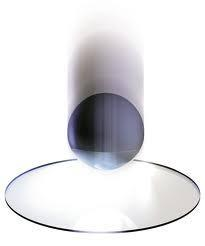
This rigorous testing ensures that FDA sunglasses meet the safety standards necessary to protect consumers from injury during normal use.
4. FDA Standards for Sunglasses in the U.S. Market
Sunglasses are regulated as medical devices in the United States, and several FDA standards apply to ensure their safety and effectiveness. Some of the key standards include:
- 21 CFR 801.410: This regulation outlines labeling requirements for medical devices, including sunglasses. The label must contain clear, accurate, and comprehensive information, including warnings, usage instructions, and any other relevant data.
- ISO 12312-1:2013: This international standard, which the FDA recognizes, governs the optical performance, UV protection, impact resistance, and stability of sunglasses. FDA sunglasses must meet these standards to ensure adequate protection from harmful UV-A and UV-B rays.
- FDA Medical Device Registration: Sunglasses, classified as medical devices, must undergo FDA registration, ensuring compliance with all applicable standards and regulations.
- FDA Medical Device Labeling: Sunglasses labels must meet FDA requirements, including information on the product’s batch number, production date, specifications, quality grade, and safety warnings.
- Federal Trade Commission (FTC) Eyewear Standards: The FTC requires sunglasses to meet specific visual quality standards, including optical distortion, clarity, and spherical aberration, to ensure they do not interfere with vision.
5. FDA Sunglasses Product Categories and Codes
As part of the FDA’s registration and listing process, sunglasses manufacturers must provide a product category and product code for their eyewear. This helps classify the device under specific categories and ensures it meets the necessary regulatory standards. The relevant classification and product code for FDA sunglasses are:
This classification helps the FDA determine the appropriate standards and testing requirements for the product, ensuring compliance with regulatory expectations.
6. Other Regulatory Standards for Sunglasses
In addition to FDA regulations, sunglasses manufacturers must also comply with other international standards to ensure their products meet global safety and performance criteria. Some key standards include:
- EN 1836:2005+A1:2007: The European standard for sunglasses, which focuses on UV protection, optical quality, and impact resistance.
- CSA Z94.3-07: A Canadian standard for eye and face protection, which includes requirements for sunglasses’ durability, optical quality, and UV protection.
7. The Importance of Compliance and Quality Control for FDA Sunglasses
To ensure that your sunglasses meet all necessary regulatory requirements, it is essential to conduct thorough product testing, quality control, and compliance checks. This includes:
- Testing for Impact Resistance: Ensure FDA sunglasses pass the drop ball test and other required safety tests.
- UV Protection Verification: Verify that your lenses provide adequate UV-A and UV-B protection.
- Labeling Accuracy: Make sure that the product labeling complies with FDA and FTC standards.
- Regular FDA Registration: Maintain up-to-date FDA registration and keep records of all production processes.
By adhering to these regulations and standards, manufacturers can ensure their FDA sunglasses meet the safety, durability, and performance requirements necessary for the U.S. market. This will not only protect consumers but also help businesses avoid legal and financial repercussions.
Conclusion
Navigating the regulatory landscape for FDA sunglasses production and distribution in the U.S. can be complex, but it is essential for ensuring the safety and well-being of consumers. By understanding the FDA’s registration process, testing requirements, labeling guidelines, and product categorization, businesses can successfully comply with all regulations, ensuring their sunglasses meet the required standards for safety, quality, and performance.